Natural dietary factors supporting everyday joint suppleness and smooth range of motion
Tropical regions around the world have long incorporated natural botanical compounds into their dietary practices. The island of Indonesia offers a rich tapestry of plant-based ingredients that have been traditionally valued for their nutritional properties and role in supporting everyday wellness.
This educational resource explores the botanical knowledge surrounding emerald-green tropical plants and the natural dietary factors they contain. We examine how these ingredients function within balanced nutrition and their presence in everyday island diets.
Our information is presented for educational purposes only, designed to inform and explain the role of these botanical compounds in nutrition and daily living.
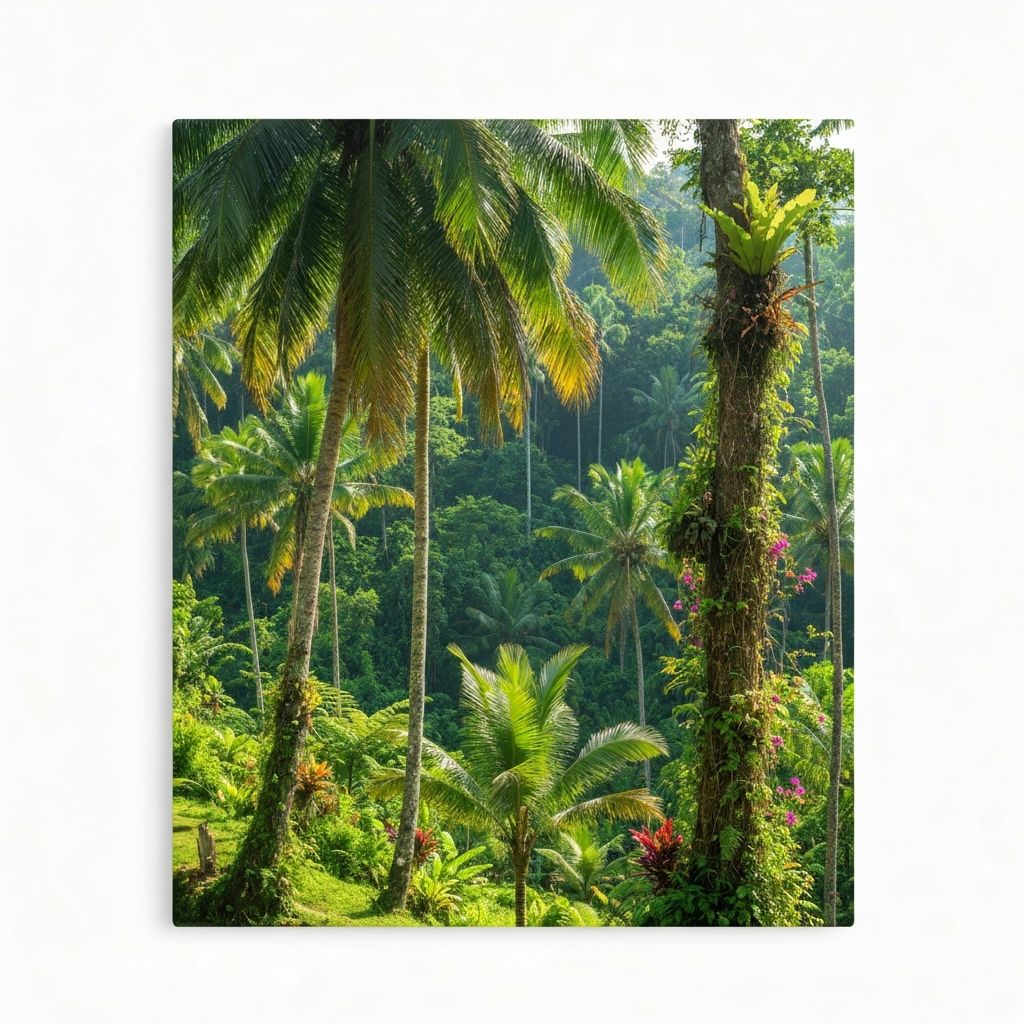
The tropical island ecosystems of Indonesia represent one of the world's most biodiverse regions. These environments have naturally developed a wide variety of plant species, each with distinct nutritional profiles and roles within local dietary traditions.
Tropical plants thrive in warm, humid climates and often develop specific compounds as adaptive responses to their environment. Many of these plants have been incorporated into traditional island cuisine for generations, providing nutritional support as part of balanced dietary practices.
The relationship between tropical botanical compounds and everyday flexibility represents an important area of nutritional science. Understanding how these natural ingredients function within the body's systems provides valuable educational context for anyone interested in tropical nutrition and plant-based wellness support.
Tropical botanicals contain various naturally occurring compounds that play roles in nutritional support. Below is an educational overview of key substances found in emerald-green tropical plants:
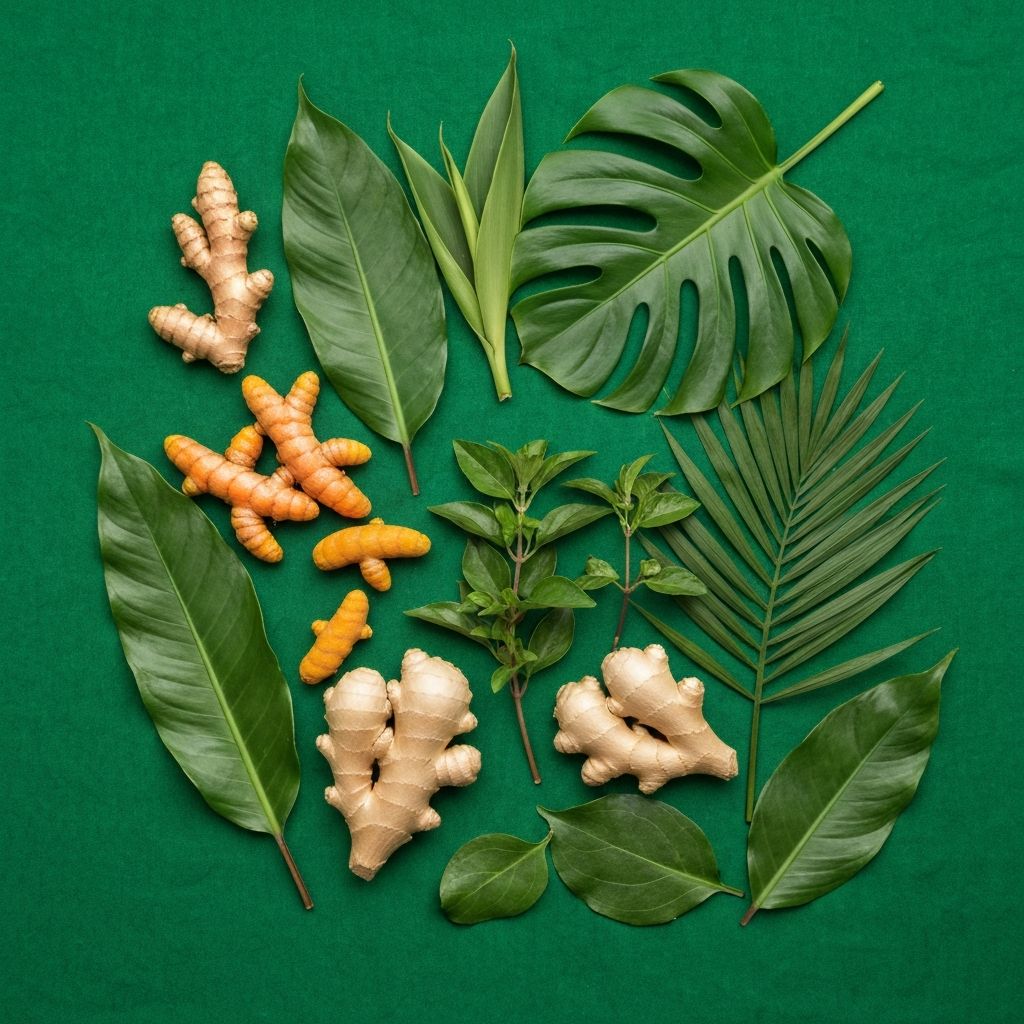
Glucosamine is a naturally occurring amino sugar found throughout nature in both marine and plant sources. In tropical island regions, particularly in Indonesia, glucosamine-rich ingredients have long been part of traditional dietary practices.
Marine sources such as shellfish and seaweed contain naturally present glucosamine, as do certain plant materials. The bioavailability of naturally occurring glucosamine differs based on its source, with traditional preparation methods often enhancing its nutritional value within balanced diets.
Traditional island populations have incorporated these glucosamine-rich foods into their everyday nutrition for generations, supporting their approach to balanced dietary practices and overall wellness.
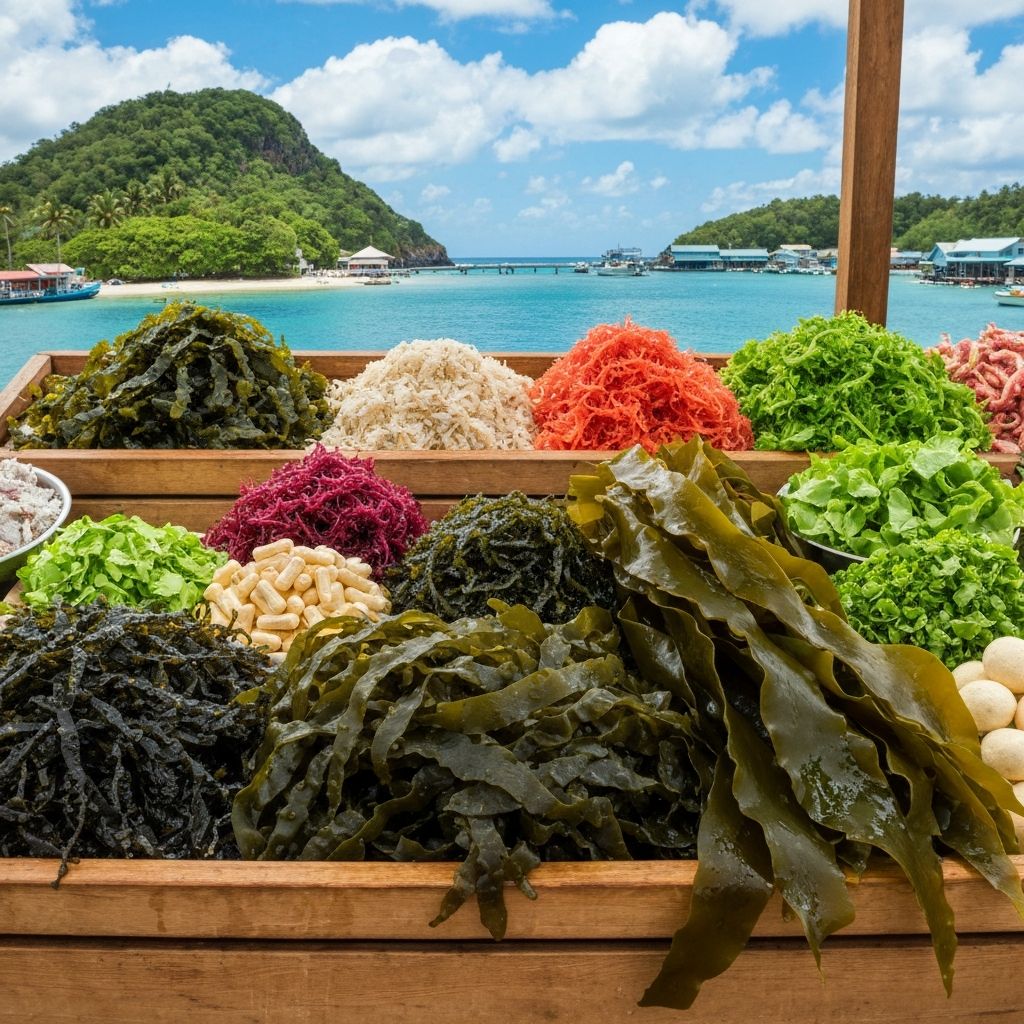
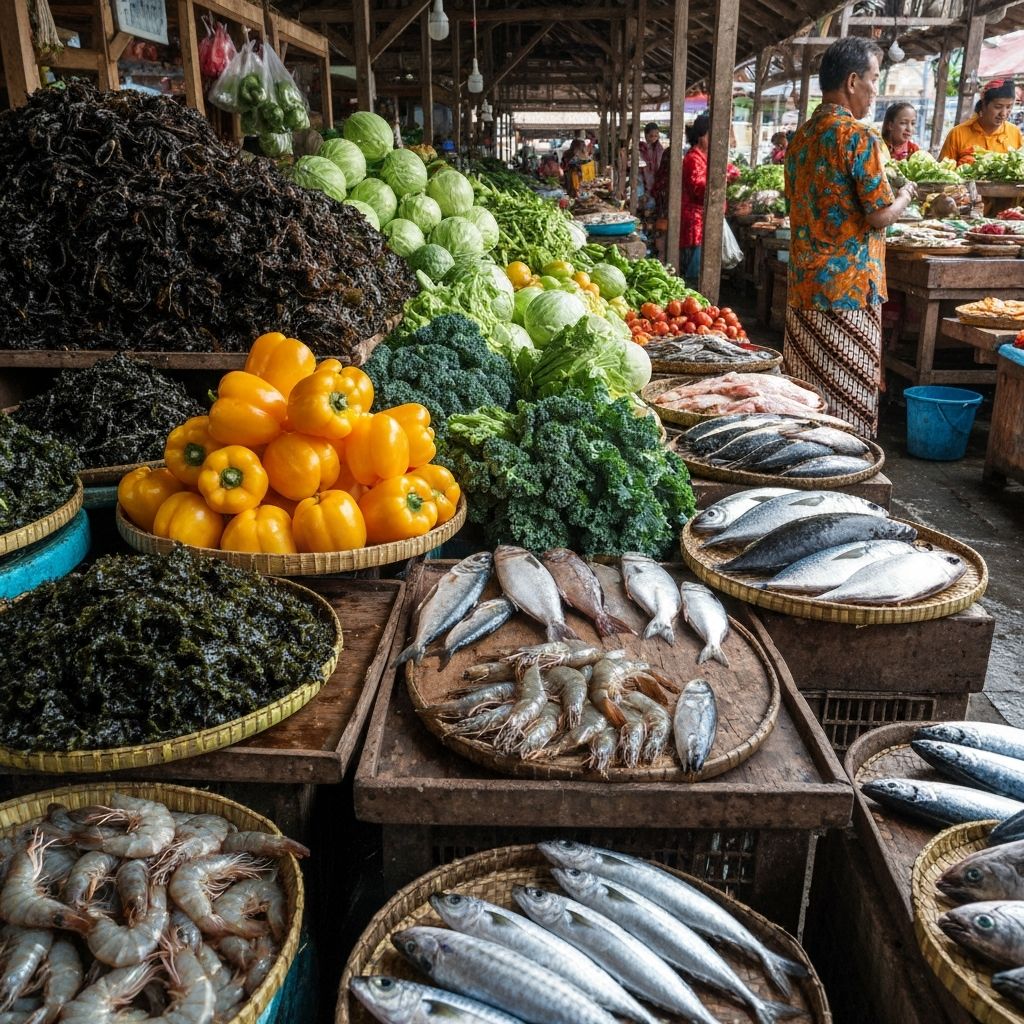
Chondroitin is a compound naturally present in various food sources, particularly in island diets where marine foods play a central nutritional role. This substance occurs naturally in cartilaginous fish and seafood traditionally consumed in tropical regions.
The island communities of Indonesia have long maintained dietary practices emphasizing marine foods rich in naturally occurring chondroitin. These traditional approaches represent centuries of accumulated knowledge about incorporating these botanical and marine compounds into everyday nutrition.
Understanding the role of chondroitin in natural island foods provides context for how traditional dietary approaches support nutritional balance and everyday wellness practices.
Collagen peptides represent a naturally occurring protein component found in marine life and certain plant sources. In traditional island nutrition, collagen-rich foods such as fish, shellfish, and seaweed have always played important roles in dietary practices.
Marine collagen offers a bioavailable form of this structural protein, and traditional preparation methods in island communities often maximize its nutritional effectiveness. The consumption of bone broths and traditional seafood dishes has provided natural collagen peptides as part of everyday nutrition.
Collagen's role in nutritional support through food-based sources represents an important educational topic for understanding how traditional diets support everyday wellness and flexibility.
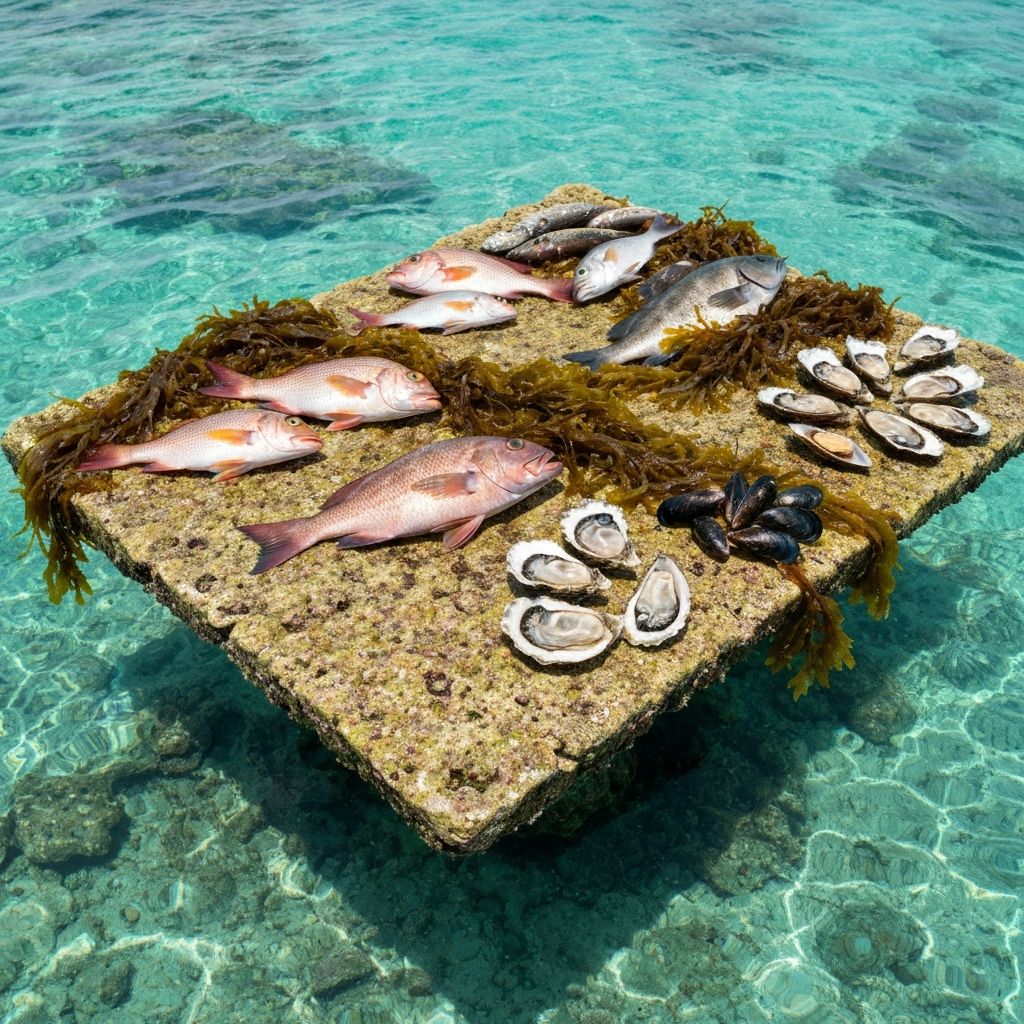
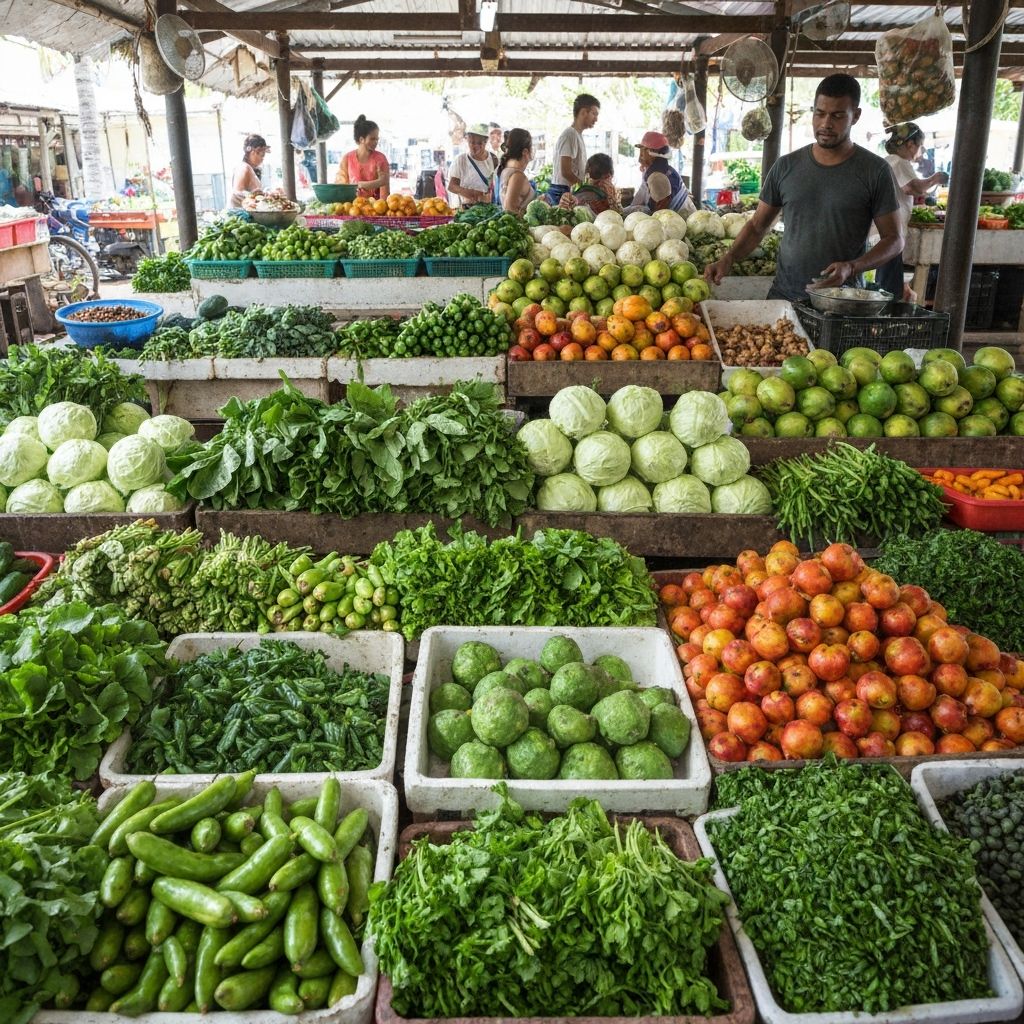
Methylsulfonylmethane (MSM) is a naturally occurring organic sulfur compound found in various foods, particularly in green vegetables and certain tropical plants. Traditional island diets emphasize these MSM-rich green foods as part of balanced nutrition.
Tropical fruits, vegetables, and herbs contain naturally present MSM, which plays important roles in normal bodily functions. The island communities have traditionally incorporated MSM-rich foods into their everyday diets through fresh produce, preserving its nutritional value through traditional preparation methods.
The educational context of MSM in green tropical nutrition helps us understand how these natural compounds support overall wellness through dietary choices and traditional eating patterns.
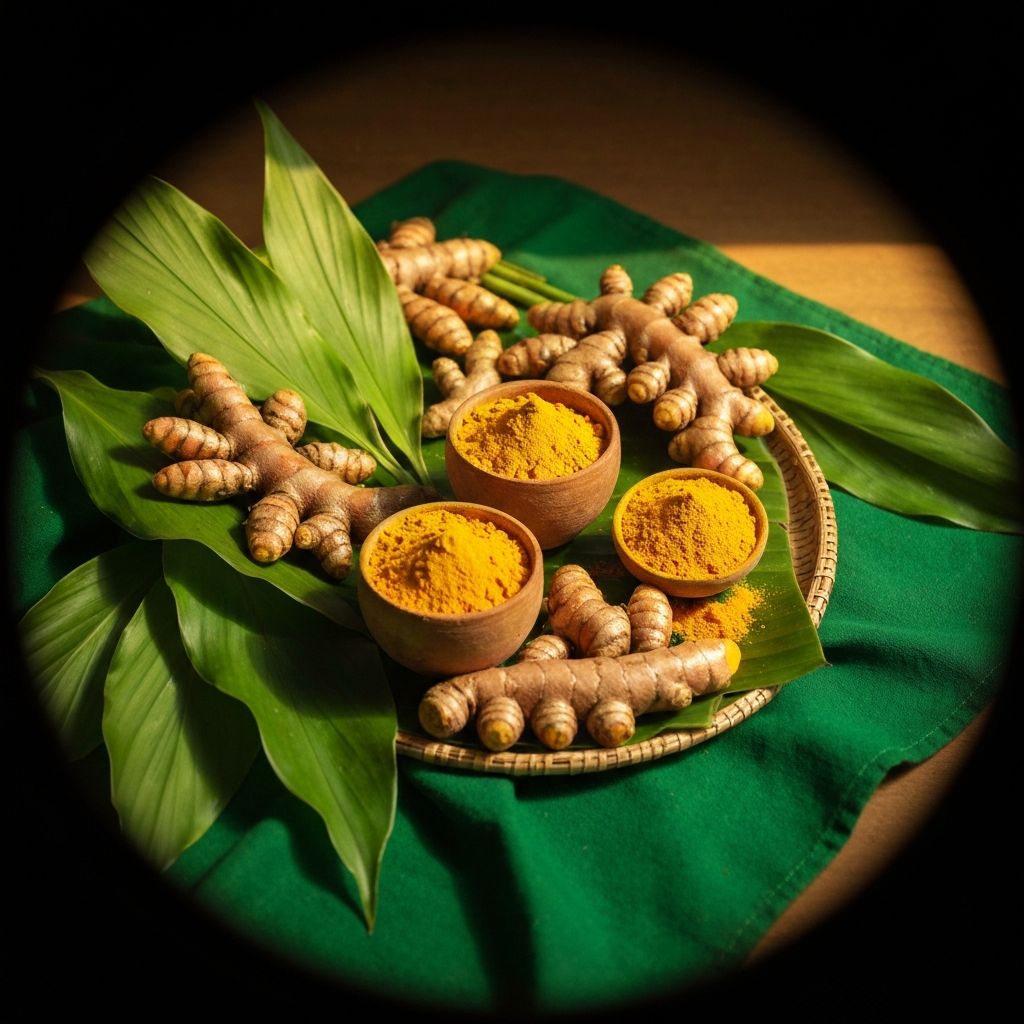
Curcumin, the active compound in turmeric, represents one of the most valued botanical ingredients in tropical cuisine. The bright golden turmeric root has been a dietary staple throughout Indonesia and other tropical regions for countless generations.
Turmeric's traditional role in island cooking extends beyond flavoring to nutritional support. The bioavailability of curcumin is enhanced through traditional preparation methods, particularly when combined with other ingredients in island cuisine. This represents valuable educational knowledge about optimizing botanical nutrition.
Understanding turmeric's place in traditional island nutrition provides context for how this emerald-green plant contributes to balanced dietary practices and everyday wellness support.
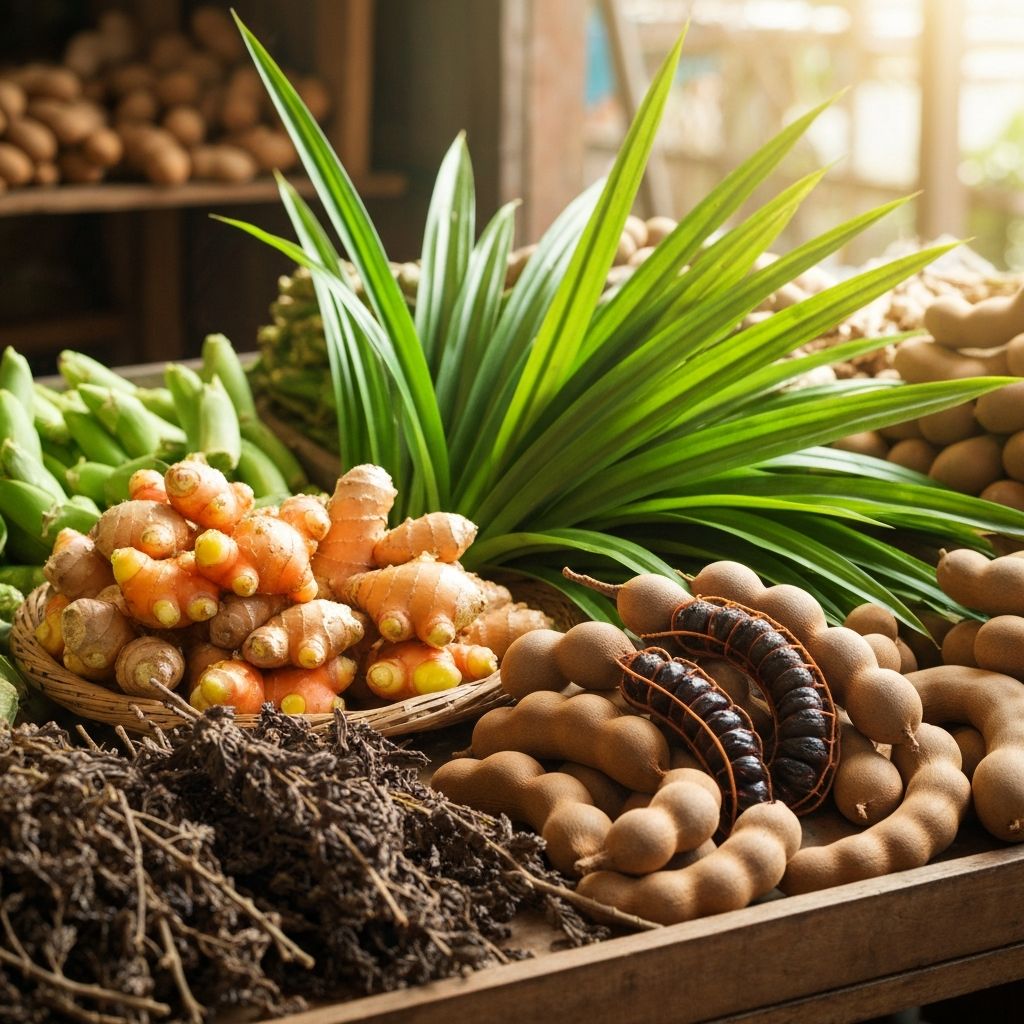
Ginger: The warming ginger root has long held importance in tropical cuisine, traditionally valued for its role in supporting digestion and overall wellness as part of island dietary practices.
Pandan: This tropical leaf offers unique compounds and nutritional value, incorporated into traditional island cooking for both flavor and wellness benefits.
Tamarind: The tropical tamarind fruit provides tangy flavor and natural compounds, making it a valued ingredient in island nutrition and traditional remedies.
Boswellia: Extracted from tropical tree resin, boswellia has been traditionally valued in wellness practices throughout Indonesian and Asian cultures, incorporated into dietary and traditional preparation approaches.
Each of these emerald-region botanicals plays a distinct role in tropical nutrition, and their combined use in island cuisine represents accumulated wisdom about supporting everyday wellness through natural ingredients.
The following represents an overview of natural emerald-inspired tropical compounds that may support everyday mobility and flexibility as part of balanced dietary practices:
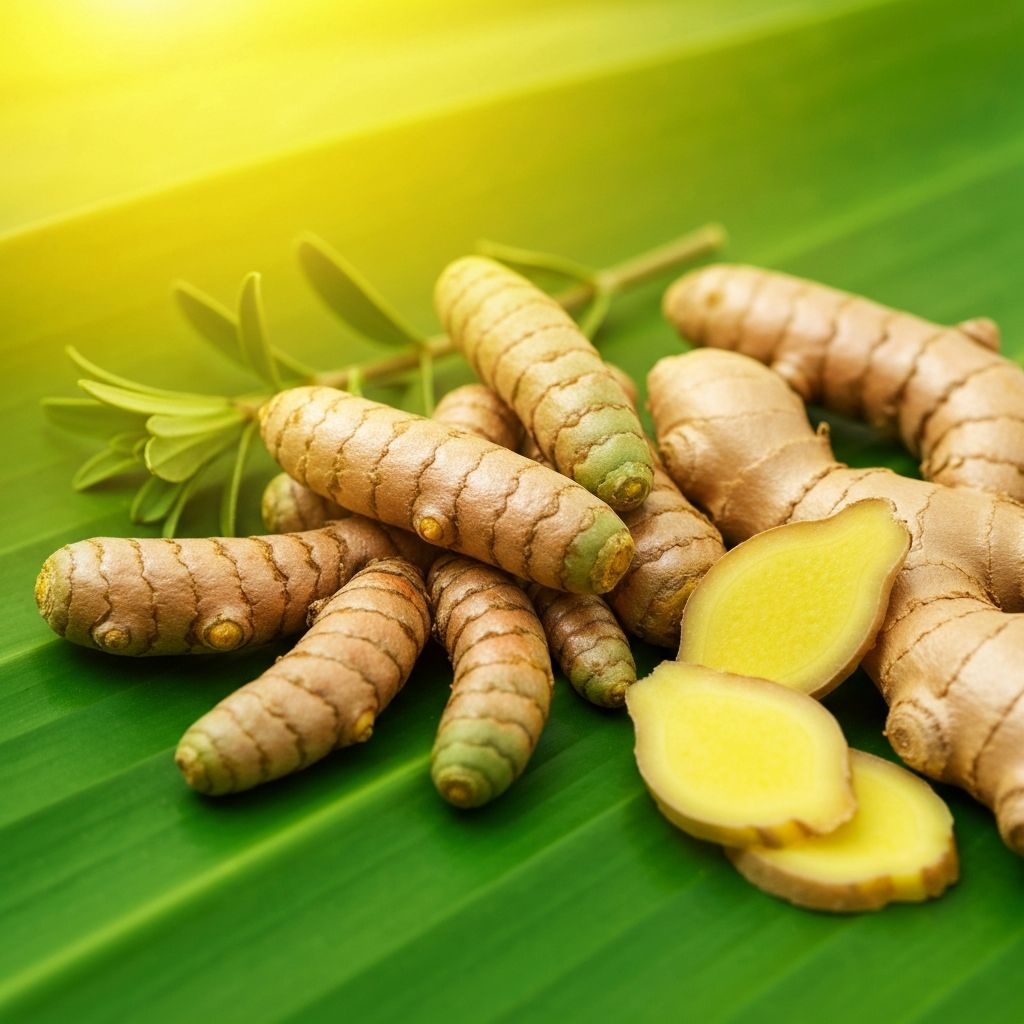
Natural botanical compounds including turmeric, ginger, and tropical roots, supporting mobility through traditional nutritional approaches.
Learn More About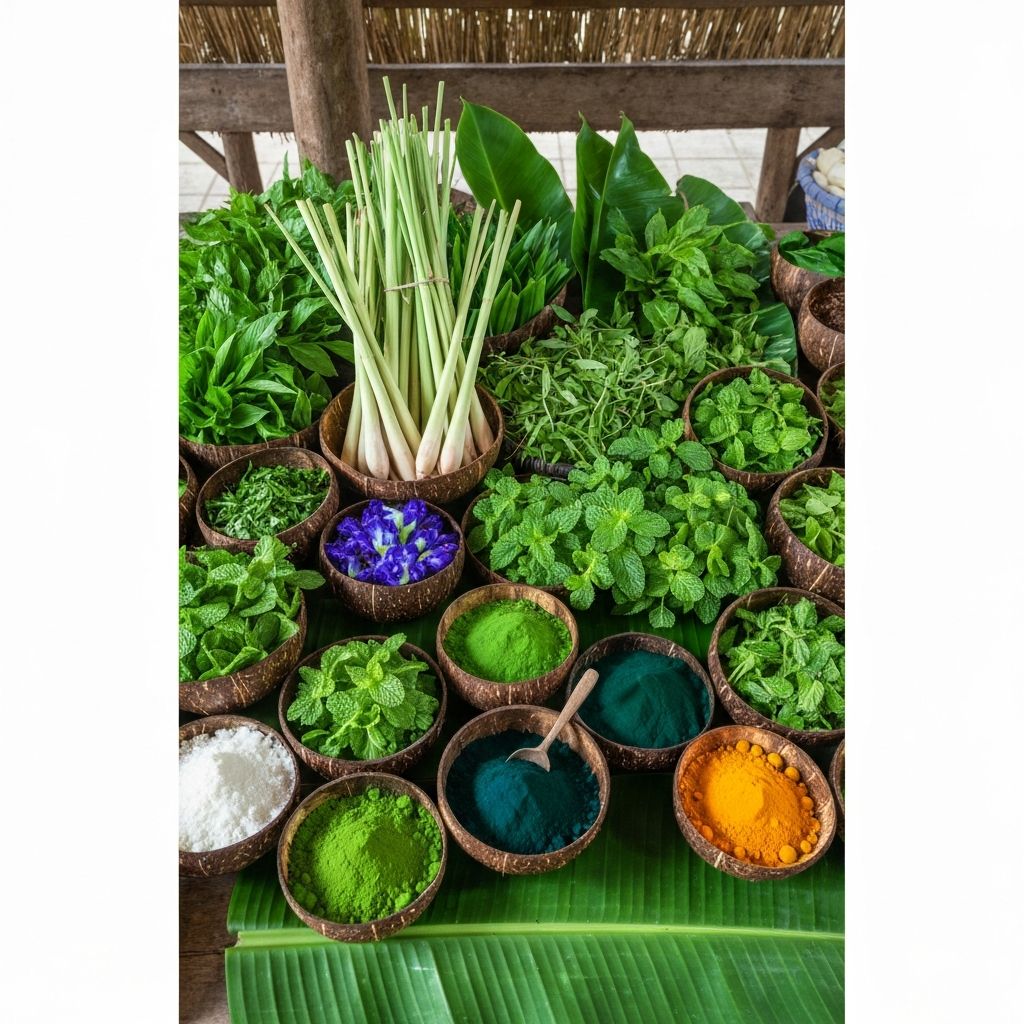
Comprehensive collection of emerald-inspired ingredients for men and women supporting everyday movement and flexibility.
Explore Details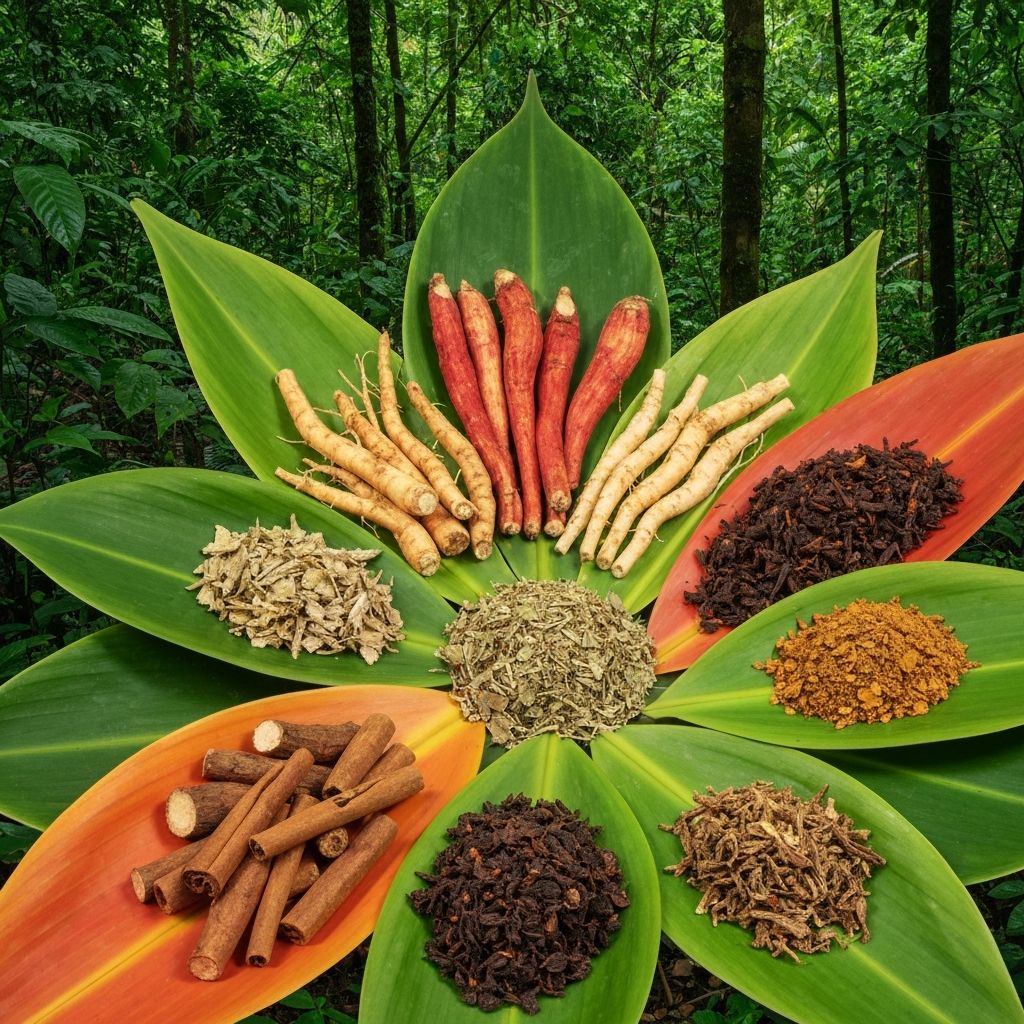
Balanced compositions of traditional tropical compounds supporting smooth range of motion through natural nutrition.
Read MoreEmeraldBodyWay exists to educate about tropical botanicals, their natural origins, and their traditional roles in island nutrition. This is purely informational content designed to explain the science and history of these natural compounds.
The compounds discussed come from tropical plants, marine sources, and traditional island ingredients found throughout Indonesia and other tropical regions. These include roots, leaves, fruits, and natural extracts with established roles in traditional nutrition.
This resource provides educational information only. Traditional island diets incorporate these compounds through whole foods and established culinary practices. Individual nutritional choices should reflect personal circumstances and professional guidance.
This educational resource does not provide dosage recommendations or usage guidelines. Nutritional intake varies based on individual circumstances, dietary needs, and lifestyle factors. Consult appropriate professionals for personalized nutritional guidance.
Bioavailability refers to how effectively the body absorbs and utilizes compounds from food and supplements. Different sources and preparation methods affect bioavailability. Traditional island preparation methods have evolved to optimize nutritional effectiveness.
Different cultures and nutritional systems approach movement support and overall wellness differently. Tropical botanical approaches represent one valid perspective within the broader context of global nutrition and wellness practices.
Educational Nature: This website provides educational information about tropical botanicals and natural dietary factors. All content is presented for informational purposes only to explain nutritional science and traditional knowledge.
Individual Variation: Nutritional needs, responses, and optimal approaches vary significantly based on individual circumstances, lifestyle, genetics, and existing health conditions. What benefits one person may not apply universally.
No Personal Recommendations: This resource does not provide personalized nutritional advice, treatment plans, or individual recommendations. Every person's situation is unique and requires individual consideration.
Professional Consultation: For specific nutritional guidance, health concerns, or questions about incorporating these compounds into your diet, professional consultation is always appropriate and recommended.
Diversity of Approaches: Multiple valid approaches to nutrition and wellness exist. This tropical botanical perspective represents one approach within the broader context of global nutritional science and diverse wellness practices.
We invite you to explore the educational content on this site to develop a deeper understanding of tropical botanicals, their origins, and their roles in traditional island nutrition and everyday wellness.
Whether you are interested in nutritional science, tropical plants, or the traditional wisdom of island communities, this resource provides a foundation for learning and understanding.
Start LearningAddress: Jalan Raya Campuhan No. 21, Ubud, Gianyar, Bali 80571, Indonesia
Phone: +62 361 975 1284
Email: [email protected]
We welcome your inquiries about tropical botanicals, nutritional education, and general questions about our resource.